

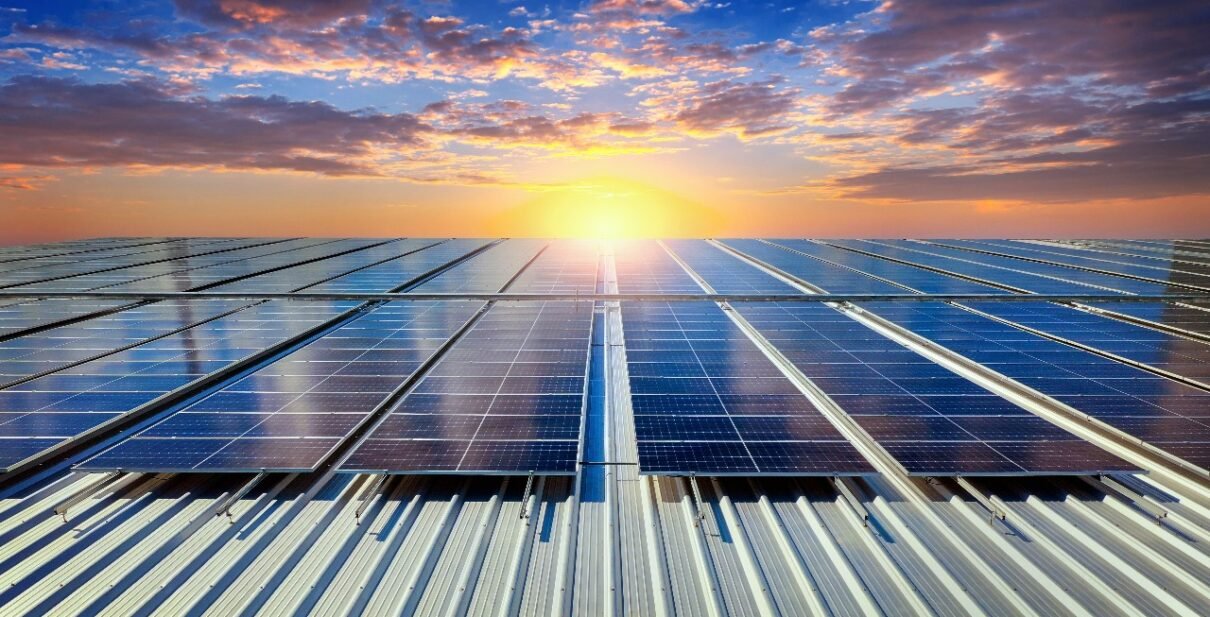
India’s solar industry is experiencing unprecedented technological transformation, driven by innovation, policy support, and massive market demand. As we progress through 2025, several key trends are reshaping how solar energy is generated, stored, and consumed across the country. These developments promise to make solar more efficient, affordable, and accessible than ever before.
1. Bifacial Solar Panel Adoption Accelerates
Bifacial solar panels, capable of generating electricity from both sides, are gaining significant traction in Indian solar installations. These panels offer 10-30% additional energy generation compared to traditional monofacial panels, making them particularly attractive for utility-scale projects.
Key Advantages:
- Enhanced energy yield in high-albedo environments
- Reduced levelized cost of electricity (LCOE)
- Better performance in diffused light conditions
- Longer lifespan with reduced degradation
Major Indian solar parks in Rajasthan and Gujarat are increasingly adopting bifacial technology, with some installations reporting up to 25% improved performance over conventional panels.
2. Energy Storage Integration Becomes Mainstream
Battery energy storage systems (BESS) are transforming from luxury additions to essential components of solar installations. Lithium-ion battery costs have dropped by 70% since 2020, making storage economically viable for residential and commercial applications.
Market Developments:
- Grid-scale storage projects exceeding 1GWh capacity
- Residential storage systems under ₹1,00,000 for 10kWh capacity
- Integration with smart grid technologies
- Government incentives for storage adoption
This trend is particularly significant for commercial and industrial customers seeking 24/7 renewable energy supply and peak demand management.
3. Floating Solar (Floatovoltaics) Gains Momentum
India’s floating solar segment is experiencing explosive growth, with the National Thermal Power Corporation (NTPC) leading installations on reservoir surfaces. Floating solar offers unique advantages in land-scarce regions while providing superior panel cooling effects.
Benefits of Floating Solar:
- 10-15% higher efficiency due to cooling effect
- Reduced water evaporation from reservoirs
- No land acquisition requirements
- Minimal environmental impact
The government has identified potential for 280GW of floating solar capacity across Indian water bodies, representing massive growth opportunities.
4. AI and IoT Transform Solar Operations
Artificial Intelligence and Internet of Things technologies are revolutionizing solar project operations and maintenance. Smart monitoring systems now predict equipment failures, optimize cleaning schedules, and maximize energy generation through real-time adjustments.
AI Applications:
- Predictive maintenance reducing downtime by 40%
- Weather-based generation forecasting
- Automated cleaning robot deployment
- Real-time performance optimization
Our monitoring systems now incorporate AI algorithms that have improved client system performance by an average of 8-12% compared to conventional monitoring approaches.
5. Green Hydrogen Integration Expands
Solar-powered green hydrogen production is emerging as a game-changing application, combining renewable electricity generation with clean fuel production. India’s National Green Hydrogen Mission targets 5 million tons annual production by 2030.
Integration Benefits:
- Value-added solar energy utilization
- Long-term energy storage capability
- Industrial decarbonization opportunities
- Export potential for clean energy
Implications for Solar Industry:
These technological trends collectively indicate:
- Improved project economics and faster payback periods
- Enhanced system reliability and performance
- Greater grid integration capabilities
- Expanded application possibilities beyond traditional power generation
Future Outlook:
As these technologies mature and costs continue declining, solar energy’s role in India’s energy mix will expand dramatically. The convergence of advanced panels, smart storage, AI optimization, and green hydrogen production positions solar as the cornerstone of India’s clean energy future.
For stakeholders considering solar investments, these trends represent opportunities to maximize returns while contributing to India’s sustainable development goals. Early adoption of these technologies will provide competitive advantages as the market continues evolving.