

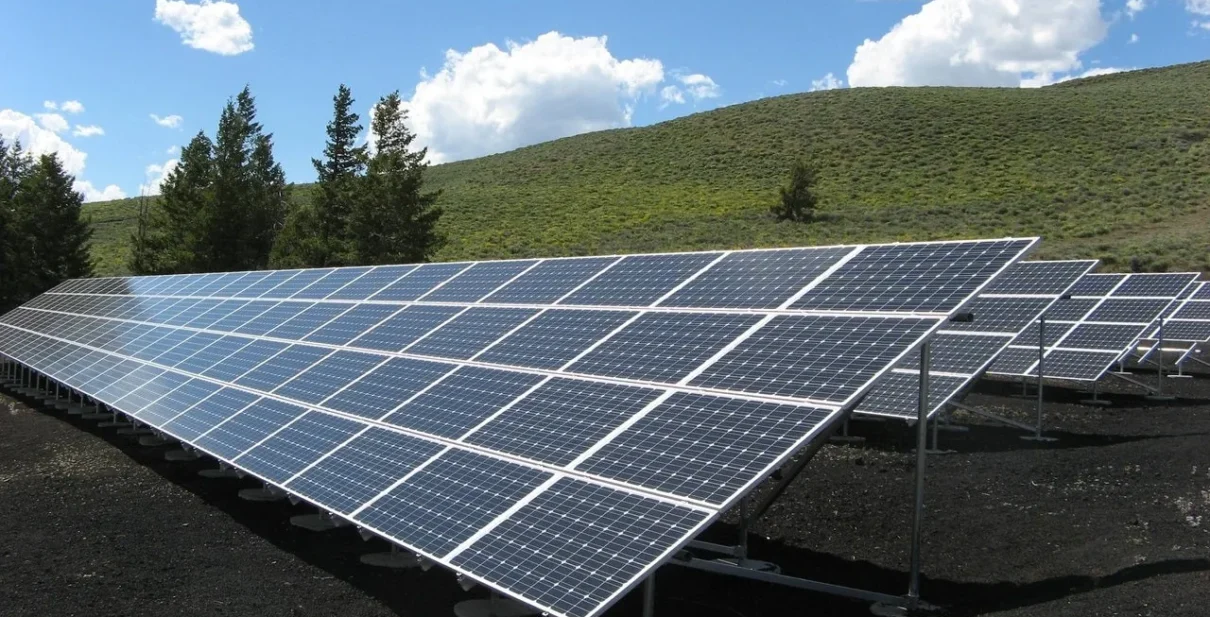
Proper maintenance is crucial for ensuring your solar system delivers optimal performance throughout its 25+ year lifespan. While solar panels are remarkably durable and low-maintenance, following systematic care practices can significantly improve energy generation and extend system life. This practical guide provides homeowners and businesses with essential maintenance knowledge for protecting their solar investment.
Understanding Solar System Components
Before diving into maintenance specifics, understanding your system components helps identify potential issues:
Solar Panels: Convert sunlight to electricity; require periodic cleaning and visual inspection Inverters: Convert DC to AC power; need ventilation and electrical connection monitoring
Mounting Systems: Secure panels to roof/ground; require structural integrity checks Monitoring Systems: Track performance; essential for identifying problems early
Daily and Weekly Monitoring
Performance Monitoring: Modern solar installations include monitoring systems accessible via smartphone apps or web portals. Check these regularly for:
- Daily energy generation compared to expected output
- Any error messages or alerts
- System status indicators
- Weather-adjusted performance variations
Visual Inspections: Weekly visual checks help identify obvious issues:
- Panel surface cleanliness and damage
- Loose connections or damaged cables
- Inverter status lights and displays
- Vegetation growth affecting panel access
Monthly Maintenance Tasks
Panel Cleaning: Indian conditions require more frequent cleaning due to dust, pollution, and monsoon residue:
Best Practices:
- Clean early morning or late evening when panels are cool
- Use soft brush or squeegee with mild soap solution
- Avoid high-pressure water that could damage seals
- For ground-mounted systems, hose cleaning may suffice
- Rooftop systems may require professional cleaning services
Cleaning frequency recommendations:
- Urban areas: Every 2-3 weeks
- Rural areas: Monthly
- Industrial areas: Every 1-2 weeks
- Post-monsoon: Immediate cleaning recommended
Performance Analysis: Compare monthly generation with:
- Previous month performance
- Same month previous year
- Weather-adjusted expectations
- Manufacturer specifications
Significant deviations (>10%) warrant professional inspection.
Quarterly Professional Maintenance
Electrical Inspections: Professional technicians should perform:
- DC and AC electrical connection tightening
- Cable insulation integrity checks
- Earthing system verification
- Inverter internal cleaning and inspection
- Safety switch and disconnect testing
Structural Assessments: Mounting system inspections include:
- Bolt and fastener tightening
- Rail and clamp condition assessment
- Roof penetration sealing verification
- Ground-mount foundation stability
Annual Comprehensive Service
Performance Testing: Annual professional servicing should include:
- Individual panel I-V curve testing
- Inverter efficiency measurement
- System grounding verification
- Thermal imaging for hot spot identification
- Complete electrical safety testing
Warranty Documentation: Maintain comprehensive records including:
- Installation certificates
- Component warranty documents
- Performance test results
- Maintenance service reports
- Insurance policy updates
Common Issues and Solutions
Reduced Performance: Potential causes and solutions:
- Dust accumulation: Regular cleaning
- Shading: Vegetation trimming or panel relocation
- Panel degradation: Normal 0.3-0.5% annual decrease
- Inverter issues: Professional diagnosis required
Electrical Problems: Warning signs requiring immediate attention:
- Inverter error codes or shutdown
- Burning smells near electrical components
- Visible cable damage or corrosion
- Ground fault indicators
Never attempt electrical repairs yourself; contact certified technicians immediately.
Monsoon Season Precautions
Pre-Monsoon Preparation:
- Secure all loose connections and cables
- Clear drainage around ground-mounted systems
- Inspect and clean inverter ventilation systems
- Document baseline performance for post-monsoon comparison
Post-Monsoon Actions:
- Comprehensive cleaning to remove debris and water spots
- Check for water damage in electrical components
- Verify structural integrity after heavy rains
- Test system performance against pre-monsoon baselines
Technology-Assisted Maintenance
Smart Monitoring: Modern systems provide:
- Real-time generation alerts
- Automated performance analysis
- Predictive maintenance recommendations
- Remote diagnostic capabilities
Drone Inspections: For large installations:
- Thermal imaging for defect identification
- High-resolution photography for damage assessment
- Efficient inspection of inaccessible areas
- Comprehensive condition documentation
Professional Maintenance Services
When to Call Professionals:
- Any electrical issues or error codes
- Significant performance degradation (>15%)
- Physical damage from weather or impacts
- Routine annual inspections
- Insurance-required maintenance verification
Choosing Service Providers: Select certified technicians with:
- Proper electrical licensing and solar certification
- Insurance coverage for liability protection
- Experience with your specific system components
- Warranty service authorization from manufacturers
Conclusion:
Systematic maintenance ensures your solar investment delivers maximum returns throughout its lifetime. While solar systems are inherently reliable, proactive care prevents small issues from becoming costly problems. By following these maintenance guidelines and working with qualified professionals, you’ll optimize system performance while protecting your investment in clean, renewable energy.
Remember: proper maintenance not only maximizes energy generation but also ensures safety, extends equipment life, and maintains warranty coverage. When in doubt, consult with certified solar professionals who can provide expert guidance tailored to your specific installation and local conditions.